1. Let responders lead
Fire and emergency crews handle the immediate danger. Cleanup begins only when responders say the scene is safe to enter, and the team asks what they found.
Cape Coral, FL · Lee County
When hazardous materials end up where they should not be in Cape Coral, FL, a professional cleanup protects people, soil and water. Call (877) 812-4220 to describe the situation and get a plan.
If anyone is in danger, call 911 first. For a suicide crisis, call or text 988.
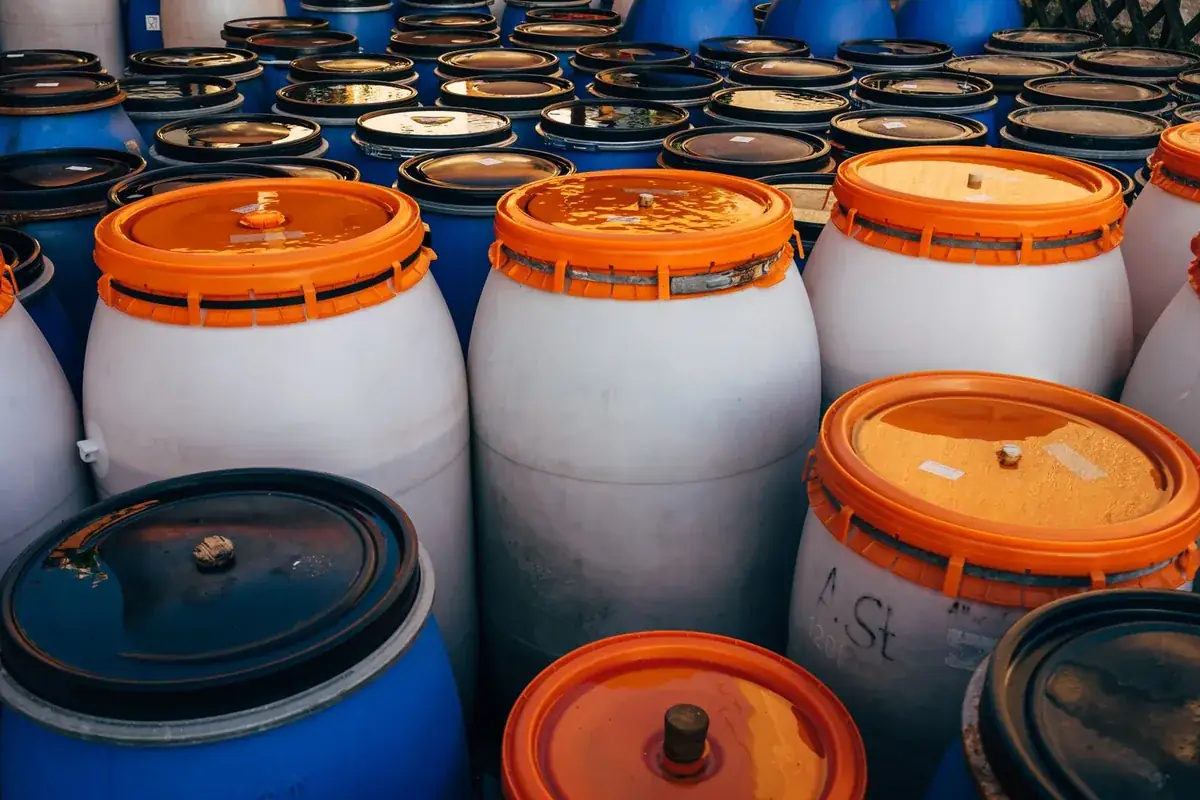
Hazmat clean up is not the same as biohazard cleanup. Hazmat deals with chemicals, fuels and gases, while biohazard work deals with blood and germs. Some sites involve both, and crews plan for each.
If fuel, solvent or a chemical release has soaked into pavement, soil or a building in Cape Coral, you can get it cleared with care. Call Cape Coral Biohazard Cleanup Help for a tidy site and a clear plan for how waste is hauled in Lee County.
Lee County has a Relatively High river flood risk rating from FEMA, and floodwater can tip over tanks and drums and carry hazardous materials across a site. Wet weather in Cape Coral, about 57 inches a year, makes fast containment of a release even more important.
Hazmat Cleanup in Cape Coral usually includes:
Fire and emergency crews handle the immediate danger. Cleanup begins only when responders say the scene is safe to enter, and the team asks what they found.
Barriers go up and the spread is stopped. The crew keeps people out and the job as private as the site allows.
Drains are covered where needed and ignition sources are controlled. The crew works from clean areas toward the source and collects the material.
Waste is packed and taken away. A last check of the area ends with a plain explanation of the work and the paperwork.
Most hazmat cleanup jobs in Cape Coral, FL cost between $4,000 and $40,000, based on published cost guides.
Size and spread matter. A spill on sealed pavement is less work than one that soaked into soil, gravel or porous materials, and more material means more labor and more waste.
| Type of job | Typical range |
|---|---|
| Small to mid-size spaces | $4,000 - $40,000 |
| Initial cleanup and containment | $6 - $20 per square foot |
Estimates only, not a quote. Sources: One and Done Prep. Price drivers include type of contaminant, square footage, containment setup, waste disposal. Call (877) 812-4220 to talk through the job.
Small spills of familiar products may be manageable by following the label. Large, unknown or dangerous spills are not. Never mix products. If in doubt, leave the area, keep people and pets out and call 911 or Poison Control.
Yes. Many calls come from managers who find chemicals or leaking containers in a vacated unit. The lease and local law decide who pays, and the crew can provide photos and records.
Do not pour them down a drain or put them in the trash. Keep them in their original containers, away from heat and children, and have a cleanup team collect anything leaking or unknown. Waste must go to a facility that can accept it.
Waste is sorted, labeled, packed and hauled by the rules that apply to its type. It does not go in the regular trash or down a drain. Ask the team how its waste is hauled and disposed of, and ask for records at the end.
Many jobs take part of a day to a few days. A small spill may be quick. A large release, a soaked site or many unknown containers take longer, and waste pickup can add time. A local team can give a better estimate after seeing the site.
The person or business that caused a release is often responsible, and owners usually carry the cost on their own property. After a vehicle accident, ask whether another party's insurer or a carrier is involved. In a rental, the lease and local law decide.
Ask how waste is hauled and disposed of before anyone starts work.
Call (877) 812-4220